Vibe Coding vs Vibe Selling: Which One Pays Your Rent?
Vibe coding builds in the void. Vibe selling validates demand first. See the exact differences and why successful founders choose vibe selling.

Intro
You’ve done vibe coding. You built something cool. Maybe it even works great. But it doesn’t pay your rent.
Vibe selling does.
Here’s the exact difference—and why one approach builds businesses while the other builds side projects that never launch. If you’ve already tried “build first, hope later” and you’re ready to validate demand before writing more code, this comparison is for you.
“Vibe coding builds features. Vibe selling builds revenue.”
Vibe coding vs vibe selling: side by side
| Aspect | Vibe Coding | Vibe Selling |
|---|---|---|
| Starting point | “I want to build X.” | “Who has problem Y?” |
| First action | Open code editor | Search Reddit/Twitter/X/LinkedIn |
| Validation | “I think people need this.” | “10 people said they’ll pay.” |
| Build timeline | Build first (weeks/months) | Pre-sell first (days), build after |
| Launch day | 0 users, hoping for traction | 5–10 paying customers waiting |
| Feedback loop | Crickets or vague “nice!” | Direct: “I need feature X or I cancel.” |
| Revenue | $0 for months | $500–$2,000 before writing code |
| Risk | High (built something nobody wants) | Low (validated demand upfront) |
| Who it’s for | Learning, experimentation, fun | Paying bills, quitting your job |
Creation vs. revenue. That’s the core contrast. Vibe coding optimizes for shipping and polish: you pick a stack, chase a clean architecture, and grind toward a “perfect” launch. The reward is internal—progress you can see. The cost is external—no one asked for it, so no one pays.
Vibe selling inverts your incentives. You look for real people saying a real problem out loud. You verify interest with short, human messages. You pre-sell when possible. By the time you build, each feature maps to a sentence someone actually said. That’s not just safer—it’s faster, because it erases entire branches of work nobody needs.
“Build with demand, not hope.”
The vibe coding trap: why it feels productive but isn’t
- Immediate dopamine hit
- Each completed feature feels like progress. Commits add up. Designs look crisp. But visible momentum can hide the absence of demand. Selling, by contrast, risks silence and “no thanks”—so it’s easy to avoid, even if it’s what matters.
- You’re in control
- Code does what you tell it to do. People don’t. In code, you debug and fix. In demand, you ask and learn. One is predictable; the other is humbling. That’s precisely why it’s useful.
- No ego damage
- If nobody uses your app, you can tell yourself, “I didn’t market it enough.” If someone says “not interested,” that lands. Vibe coding shields you from that discomfort—at the expense of reality checks that save months.
- Building is your comfort zone
- You’ve trained to debug systems. You may not have learned (yet) to “debug demand.” That’s normal. But if you need revenue, staying in your comfort zone is expensive.
The uncomfortable truth: vibe coding is procrastination disguised as productivity. It keeps your hands moving while letting you postpone the only question that counts—who wants this enough to pay?
“You don’t have a marketing problem. You have a guessing problem.”
Why vibe selling wins (even if it’s uncomfortable)
- You build with demand, not hope
- “I hope someone needs this” becomes “I already have a handful of people who said yes.” That small switch changes your roadmap. You stop guessing features; you start delivering on promises you’ve already made.
- You get paid to validate
- Vibe coding spends weeks or months before learning whether money exists. Vibe selling asks for commitments (or pre‑payments) up front. Even modest pre‑sales prove the problem is painful enough to prioritize.
- You build exactly what customers need
- Every feature maps to a request. Feature creep dies when you can point to who asked for what and why. You ship the smallest version that relieves a specific pain instead of the grand version you hope someone, someday, might want.
- You skip the “nobody wants this” moment
- Post‑launch silence doesn’t exist in vibe selling. If there’s no demand, you find out early—before code. If there is, you start with names, DMs, and (ideally) receipts.
Short case
- Founder A built a slick browser add‑on in four months. Launch buzz, then a plateau: a couple dozen users, $0 MRR.
- Founder B searched recent complaints about a specific workflow on Reddit, found 50 fresh posts, and messaged the authors with a one‑screen helper idea. Eight said “yes” to an early plan at $15/month. A two‑week MVP shipped against that one use case. Day 1: product + paying users + a clear backlog shaped by real requests.
Which one paid rent first?
“Pre‑sell is a feature. Use it.”
How to make the shift (practical steps)
Step 1: Stop building (yes, really)
- If you’ve already started coding, pause. If you haven’t, don’t. You’ll move faster after validation than by guessing now.
Step 2: Define the pain you solve
- Not “an app for X.”
- Yes “people who literally say ‘I hate doing Y manually’ right now.” Write the pain in their words. If you can’t quote it, you don’t have it.
Step 3: Find 20 people with that pain
- Reddit: search recent threads in relevant subreddits.
- Twitter/X: use advanced search for phrases that signal frustration.
- LinkedIn: scan posts and comments in your niche.
- Slack/Discord communities: look for recurring gripes and patterns.
Capture links and copy exact lines that prove the pain exists today. You’re collecting evidence, not crafting a pitch.
Step 4: Message them (before you build anything)
- Keep it short and human. Reference what they said. Offer a tiny helper when it’s ready.
Template: “Hey [name], saw your note about [pain, in their words]. I’m putting together a tiny helper for that exact step. Want me to share the short version when it’s ready?”
Step 5: Track responses and decide
- 0–3 “yes” out of 20: either the pain isn’t big enough or your framing misses. Don’t code yet—learn more.
- 5–10 “yes”: you have validation—build the smallest version that keeps your promise.
- 15+ “yes”: you have pull—focus and move quickly.
Step 6: Pre‑sell (optional but powerful)
- “Early access $X. Ready in two weeks.”
- If nobody pays, learn why—don’t brute‑force code to “create” demand.
- If a few pay, you’ve bought runway and gained a very real deadline.
Practical guardrails
- Build for a sentence, not a persona. “I can’t get [this step] done without [painful workaround]” is a better spec than “marketing managers aged 25–40.”
- Scope to the first win. If your first version can’t create a single “Before → After” screenshot or story, it’s too big.
- Keep your messages small and respectful. You’re not pitching a platform; you’re offering a tiny helper to people who already care.
Make the choice (and use tools where it saves time)
Vibe coding vs vibe selling boils down to this: Do you start with code—then hope for customers? Or do you start with customers—then earn the right to write code?
If you’re done guessing, make the shift:
- Find people already saying the problem out loud.
- Ask if a tiny helper would be useful—before you build.
- Pre‑sell when you can. Then ship the smallest thing that keeps the promise.
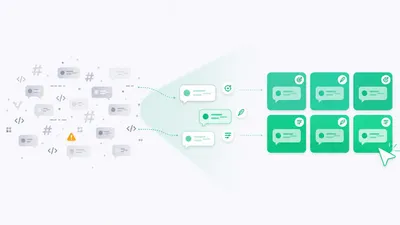
Doing this by hand is slow. You’ll search across multiple social networks, read dozens of posts daily, track who said what, and draft context‑aware messages. FirstSell reduces that grind: you define who you help; it finds people talking about your problem and drafts short, human DMs in your tone. You review and send. No scripts. No spam. Just clear, personal messages to people who already care.
Stop vibe coding. Start vibe selling with FirstSell
FAQ
-
Can I do both?
Yes—but if you need revenue, prioritize vibe selling. Let building be your response to validated demand, not a way to avoid it. -
What if I already built something?
Start where you are. Pick one pain your product truly solves. Find 20 people who say that pain out loud. Reach out with a tiny helper; let responses guide what you build next. See: How to shift if you already built → /blog/how-to-shift-to-vibe-selling
Other links
- Post 1: What is Vibe Coding (And Why It’s Killing Your Business)
- Post 3: How to shift if you already built → /blog/how-to-shift-to-vibe-selling
- Landing: Vibe selling